2026年5月13日星期三

21700 LiFePO4 Battery Cells: Complete Guide for Industrial Applications

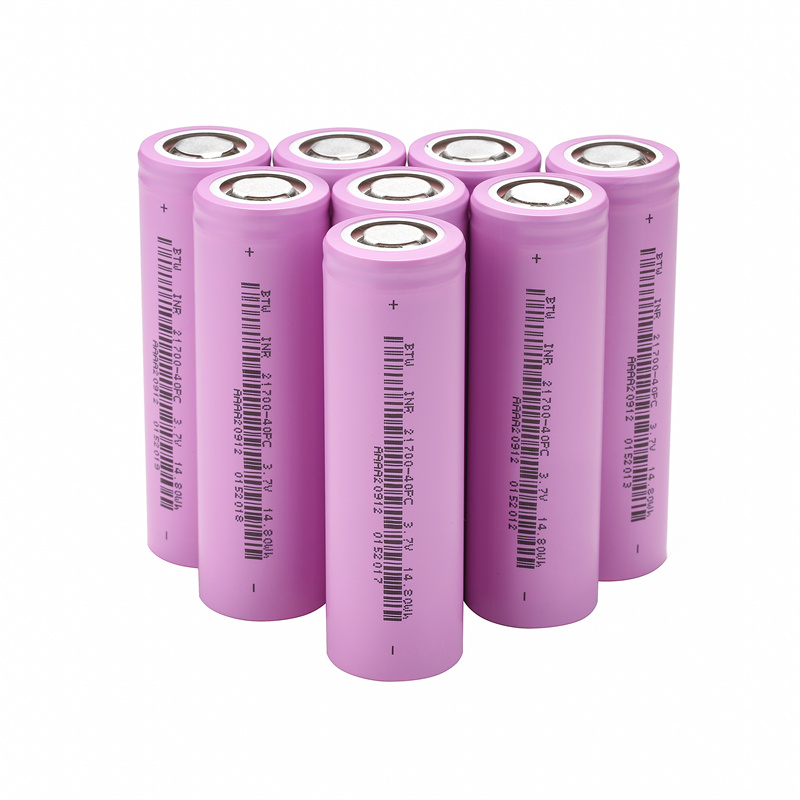
 21700 LiFePO4 battery cells are rapidly gaining popularity in industrial and commercial applications due to their high energy density, exceptional safety, and long cycle life. The “21700” designation refers to the cell dimensions: 21mm in diameter and 70mm in length. These cylindrical cells have become a preferred choice for applications requiring consistent performance, reliability, and long-term durability. Compared to traditional lithium-ion chemistries, LiFePO4 (Lithium Iron Phosphate) offers enhanced thermal stability and improved lifespan, making it ideal for industrial environments.

21700 LiFePO4 Battery Cells: Complete Guide for Industrial Applications

Key Features of 21700 LiFePO4 Cells

21700 LiFePO4 cells are engineered for high performance and operational safety. They offer:

High Cycle Life: Typically over 3000–5000 cycles, significantly longer than standard lithium-ion cells.

Thermal Stability: LiFePO4 chemistry reduces the risk of thermal runaway and is safer in high-temperature conditions.

High Discharge Current: Supports rapid load demands from industrial equipment and electric vehicles.

Low Self-Discharge: Maintains charge over extended periods, ideal for backup power systems and storage applications.

Eco-Friendly Chemistry: Non-toxic and more environmentally friendly than Ni-Cd or traditional lithium-ion chemistries.


Advantages for Industrial Applications

21700 LiFePO4 cells bring multiple advantages for industrial users. Their high energy density allows for compact battery packs, saving space in electric vehicles, forklifts, or autonomous guided vehicles (AGVs). Extended cycle life reduces replacement frequency and overall operational costs. With a flat discharge curve, LiFePO4 cells provide consistent voltage output, ensuring reliable performance for sensitive industrial electronics. Their robust thermal and chemical stability also makes them suitable for harsh industrial environments where safety is critical.


Applications in Industrial and Commercial Settings

21700 LiFePO4 battery cells are used across a wide spectrum of industrial applications:

Electric Vehicles and Material Handling: Forklifts, pallet jacks, AGVs, and other electric-powered industrial vehicles benefit from high discharge capability and extended runtime.

Energy Storage Systems (ESS): Solar and wind power storage applications leverage LiFePO4’s long cycle life and safety advantages.

Backup Power and UPS Systems: Data centers, hospitals, and critical infrastructure rely on stable and safe energy storage.

Portable Industrial Equipment: Power tools, robotics, and remote monitoring devices benefit from lightweight and durable battery packs.


Performance Metrics and Selection Criteria

When selecting 21700 LiFePO4 cells for industrial use, businesses should evaluate:

Capacity (Ah): Determines how long the equipment can operate on a single charge.

Nominal Voltage (V): Ensures compatibility with the system design.

Maximum Discharge Current: Critical for high-load operations.

Cycle Life and Calendar Life: Key for long-term cost efficiency.

Temperature Range: Cells must operate reliably under industrial temperature fluctuations.

Battery Management System (BMS) Integration: Protects against overcharging, over-discharging, and thermal events.


Maintenance and Safety Guidelines

Proper maintenance maximizes the lifespan and performance of 21700 LiFePO4 cells. Recommended practices include:

Avoid deep discharges where possible, as frequent low-voltage operation can reduce cycle life.

Store batteries in temperature-controlled environments to prevent degradation.

Use certified chargers and follow manufacturer charging protocols.

Inspect cells periodically for swelling, leakage, or connection issues.

Implement recycling and safe disposal practices, especially for damaged or end-of-life cells.


Common Challenges and Troubleshooting

Although LiFePO4 chemistry is inherently safe, improper use can lead to issues such as unexpected capacity loss, uneven cell performance in packs, or BMS faults. Ensuring proper balancing of cells in a pack, avoiding extreme temperatures, and following recommended charge/discharge protocols are essential to prevent operational problems.


Future Trends and Innovations

21700 LiFePO4 cells are at the forefront of next-generation industrial energy solutions. Emerging trends include:

High-Energy 21700 Packs: Integration into larger modules for electric trucks, warehouse robots, and renewable energy storage.

Smart BMS Technology: Advanced monitoring for voltage, current, temperature, and health status in real time.

Faster Charging Solutions: Reducing downtime for electric industrial vehicles.

Sustainable Manufacturing: Use of recyclable and environmentally friendly materials for mass production.


Conclusion

21700 LiFePO4 battery cells combine high energy density, exceptional safety, and long-term reliability, making them an ideal choice for industrial applications. Their performance in electric vehicles, energy storage systems, and backup power infrastructure ensures operational efficiency, cost savings, and safety. Businesses adopting these advanced battery cells gain a competitive advantage through reduced maintenance costs, longer lifespan, and environmentally responsible energy storage solutions.


Suggested reading:

https://www.vslivez.com/

https://www.lifema.net/

https://www.bersports.com/

https://www.sporttube.org/

https://www.mtorsports.com/

https://www.bolgsport.com/

https://www.rpsport.net/

https://www.totomotor.com/

https://www.mechcns.com/

https://www.smachblog.com/

https://www.moymech.com/

https://www.whosonthelist.com/

https://www.peachsport.net/

https://www.growyourbusinesslist.com/


2024年4月14日星期日

Single Phase Inverters vs. 3 Phase Inverters

 In the realm of renewable energy and sustainable power solutions, inverters play a pivotal role in converting the direct current (DC) generated by solar panels or wind turbines into alternating current (AC) usable by homes, businesses, and industries. Among the various types of inverters available, the debate between single phase and three phase hybrid inverters often arises, each catering to specific needs and preferences. In this comprehensive guide, we delve into the intricacies of both single phase and three phase hybrid inverters, exploring their functionalities, applications, advantages, and limitations.

Single Phase Hybrid Inverters: Efficiency and Simplicity

Single phase inverters are widely recognized for their simplicity and efficiency in converting DC to AC power. As the name suggests, these inverters operate on a single phase electrical system, making them ideal for residential settings and small-scale commercial applications. Their straightforward design and installation process make them a popular choice among homeowners and small businesses venturing into renewable energy adoption.

Key Features of Single Phase Inverters:

Simplicity: Single phase inverters feature a straightforward design, making them easy to install and maintain.

Cost-Effectiveness: Due to their simpler construction, single phase inverters are often more affordable compared to their three phase counterparts.

Residential Applications: Suited for residential properties and small commercial establishments with single phase electrical systems.

Compatibility: Compatible with most standard household appliances and electronics, ensuring seamless integration into existing setups.


Three Phase Hybrid Inverters: Power and Versatility

In contrast, three phase hybrid inverters offer enhanced power capabilities and greater versatility, making them indispensable for larger commercial and industrial applications. These inverters operate on a three phase electrical system, delivering a balanced and stable supply of electricity across multiple phases.

Key Features of Three Phase Hybrid Inverters:

High Power Output: Three phase hybrid inverters are capable of handling higher power loads, making them suitable for large-scale commercial and industrial setups.

Grid Connectivity: Enable seamless integration with the grid, allowing for efficient energy management and optimization.

Battery Storage Compatibility: Many three phase hybrid inverters are equipped with battery storage capabilities, facilitating energy storage and backup solutions.

Industrial Applications: Ideal for powering heavy machinery, equipment, and industrial processes requiring three phase power supply.


Choosing the Right Inverter for Your Needs

When deciding between single phase and three phase hybrid inverters, several factors must be taken into consideration, including the scale of your energy requirements, the electrical configuration of your premises, budget constraints, and long-term sustainability goals. While single phase inverters excel in simplicity and cost-effectiveness, three phase hybrid inverters offer unmatched power and versatility, catering to the needs of larger commercial and industrial entities.

Factors to Consider:

Power Requirements: Assess the magnitude of your power needs to determine whether a single phase or three phase hybrid inverter is more suitable.

Electrical Configuration: Consider the existing electrical setup of your premises, ensuring compatibility with the chosen inverter type.

Budgetary Constraints: Evaluate your budget and financial resources, weighing the upfront costs against long-term benefits and savings.

Future Expansion: Anticipate future growth and expansion plans, selecting an inverter that can accommodate evolving energy demands.


Conclusion

In summary, the choice between single phase and three phase hybrid inverters hinges on a variety of factors, ranging from power requirements and electrical configurations to budgetary constraints and long-term sustainability goals. While single phase inverters offer simplicity and affordability, three phase hybrid inverters provide unparalleled power output and versatility, making them indispensable for larger commercial and industrial applications. By carefully assessing your specific needs and priorities, you can make an informed decision that aligns with your energy objectives and ensures optimal performance and efficiency.

2023年6月13日星期二

Power Battery Safety Guidelines and Precautions

 Power batteries, such as lithium-ion batteries, are widely used in various applications, including electric vehicles, portable electronics, and renewable energy storage systems. While these batteries offer numerous benefits, it's important to prioritize safety due to their potential risks. By following safety guidelines and taking necessary precautions, users can minimize the risks associated with power batteries. Here are some essential guidelines to ensure power battery safety.


Purchase Quality Batteries: 

When purchasing power batteries, prioritize quality and reliability. Choose reputable manufacturers and suppliers known for producing high-quality batteries that meet safety standards and regulations. Avoid purchasing counterfeit or low-quality batteries, as they may lack essential safety features and pose significant risks.

Handle with Care: 

Treat power batteries with care to prevent physical damage or exposure to extreme conditions. Avoid dropping, crushing, or puncturing the battery, as it can cause internal damage or electrolyte leakage. Store batteries in appropriate containers or cases to protect them from external impacts. Handle batteries gently and avoid mishandling that may lead to short circuits or other hazardous situations.

Protect from Extreme Temperatures: 

Extreme temperatures can adversely affect power battery performance and safety. Avoid exposing batteries to excessive heat or cold, as it can cause thermal runaway, capacity loss, or even lead to battery failure. Store batteries in a cool and dry environment, away from direct sunlight, and avoid leaving them in vehicles or exposed to extreme temperature conditions.

Use Compatible Chargers: 

Ensure that you use chargers specifically designed for the type and model of the power battery. Using incompatible or counterfeit chargers can result in overcharging, overheating, or other safety hazards. Follow the manufacturer's instructions regarding charging methods, recommended chargers, and charging duration to prevent damage to the battery and maintain safety.

Avoid Overcharging and Over-Discharging: 

Overcharging or over-discharging power batteries can have detrimental effects on their performance and safety. Follow the recommended charging levels and avoid leaving the battery connected to the charger once it is fully charged. Similarly, avoid discharging the battery to extremely low levels, as it can cause irreversible damage. Monitoring the charging process and disconnecting the battery once it reaches the desired charge level is crucial.

Implement Battery Management Systems: 

Battery Management Systems (BMS) play a vital role in monitoring and maintaining the safety of power batteries. BMS helps regulate charging, discharge currents, and temperature, ensuring safe operation. If your device or application includes a built-in BMS, ensure that it is functioning correctly and follow the manufacturer's recommendations for its use. For standalone battery systems, consider installing an external BMS to enhance safety and monitoring capabilities.

Avoid Mixing Batteries: 

When using multiple power batteries, avoid mixing different chemistries, capacities, or ages. Mixing batteries with different characteristics can lead to imbalances in charging and discharging, potentially causing safety hazards. Always use batteries of the same type, from the same manufacturer, and with similar specifications to ensure compatibility and safe operation.

Dispose of Properly: 

When it comes to disposing of power batteries, follow the recommended procedures to protect the environment and prevent potential safety risks. Do not dispose of batteries in regular trash bins or incinerate them. Instead, take them to designated recycling centers or collection points that handle hazardous waste. Many retailers and manufacturers offer battery recycling programs, making it convenient to dispose of batteries in an environmentally friendly manner.

Educate Yourself and Others: 

Stay informed about power battery safety guidelines and educate yourself and those around you about the proper handling and precautions. Understand the warning labels, symbols, and instructions provided by manufacturers. Share knowledge about safe battery practices with friends, family, and colleagues to promote a culture of battery safety.

Stay Vigilant: 

Regularly inspect power batteries for signs of damage, leakage, or swelling. If you notice any abnormalities or suspect a safety issue, discontinue using the battery immediately and seek professional assistance. Stay updated with the latest safety information and product recalls related to power batteries to ensure ongoing safety.


In conclusion, power battery safety is of utmost importance to mitigate risks associated with their use. By following these guidelines and taking necessary precautions, users can minimize the chances of accidents, ensure safe operation, and prolong the lifespan of power batteries. Prioritizing safety not only protects individuals and property but also contributes to the overall sustainability and positive reputation of battery-powered technologies.

2023年5月15日星期一

Unleashing the Power of LiFePO4 Batteries: A Sustainable Energy Storage Solution

LiFePO4 batteries, known as lithium iron phosphate batteries, are revolutionizing the world of energy storage. In this article, we explore the immense potential of LiFePO4 batteries as a sustainable and efficient solution. We delve into their remarkable features, including reliability, high energy density, longevity, fast-charging capabilities, and eco-friendliness.


Harnessing the Potential of LiFePO4 Batteries:

1. Reliable and Safe Performance

LiFePO4 batteries are renowned for their reliability and safety. Their stable chemistry eliminates the risk of thermal runaway, ensuring a secure energy storage solution. With exceptional resistance to overcharging, overheating, and short-circuiting, LiFePO4 batteries provide peace of mind to users. This makes them ideal for critical applications like medical equipment, renewable energy systems, and backup power solutions where safety and dependability are of paramount importance.

2. Unmatched Energy Density

LiFePO4 batteries pack a punch in terms of energy density, delivering a significant amount of power in a compact and lightweight package. This high energy density empowers portable devices, electric vehicles, and renewable energy storage systems to perform optimally for extended periods. With lithium batteries​, users can enjoy longer-lasting power and enhanced efficiency, transforming the way we utilize and benefit from our devices and transportation systems.

3. Longevity and Durability

LiFePO4 batteries exhibit exceptional cycle life, boasting an extended lifespan that surpasses conventional lithium-ion batteries. With a typical lifespan exceeding 2,000 charge-discharge cycles, LiFePO4 batteries offer longevity and reliability in demanding applications. This makes them an excellent choice for energy storage systems, ensuring continuous power supply for solar or wind installations and reducing maintenance and replacement costs over time.

4. Rapid Charging Capability

LiFePO4 batteries are designed to charge at an accelerated rate without compromising their performance or longevity. This fast-charging capability enhances convenience and efficiency for electric vehicle owners, reducing charging times significantly. Additionally, the ability to recharge rapidly is advantageous for renewable energy systems, allowing them to store energy more efficiently during peak generation periods and ensuring a reliable power supply during periods of high demand.

5. Eco-Friendly Solution

LiFePO4 batteries are an eco-friendly alternative to traditional lithium-ion batteries. They contain no harmful heavy metals such as cobalt, making them safer for the environment and easier to dispose of and recycle. The manufacturing process of LiFePO4 batteries also has a lower carbon footprint, resulting in reduced energy consumption and greenhouse gas emissions. By choosing LiFePO4 batteries, we contribute to a cleaner, more sustainable future and support the transition towards greener energy storage solutions.

Conclusion: 

LiFePO4 Battery have emerged as a game-changer in the field of energy storage, providing a sustainable, reliable, and efficient solution. With their exceptional safety, high energy density, longevity, rapid charging capabilities, and environmental friendliness, LiFePO4 batteries are driving the transition to a cleaner and more sustainable energy landscape, powering a brighter future for all.

2023年4月17日星期一

Advantages of Choosing a LiFePO4 Battery from a Reliable Manufacturer

 LiFePO4 batteries are increasingly becoming popular in a variety of applications, from electric vehicles to solar power systems. They offer several benefits over traditional lead-acid batteries, such as higher energy density, longer lifespan, and faster charging times. However, not all LiFePO4 batteries are created equal, and it's important to choose a reliable manufacturer to ensure the highest quality and safety standards.


When searching for a LiFePO4 battery manufacturer, there are several factors to consider. Firstly, the manufacturer should have a proven track record of producing high-quality batteries that meet industry standards. Look for companies that have been in the business for several years and have a good reputation among their customers.

Another important factor is the level of support offered by the manufacturer. This includes technical support, warranty, and after-sales service. A reputable manufacturer should offer comprehensive technical support to help customers choose the right battery for their specific needs and to provide assistance in case of any issues or questions. They should also offer a warranty that covers manufacturing defects and provide prompt after-sales service to resolve any problems.

Choosing a reliable LiFePO4 battery manufacturer has several advantages over buying a generic battery from a less reputable source. Here are some of the benefits of choosing a LiFePO4 battery from a reliable manufacturer:

  • High Quality: A reliable manufacturer will use high-quality materials and strict quality control measures to produce LiFePO4 batteries that meet or exceed industry standards. This ensures that the battery will perform reliably and safely over its entire lifespan.

  • Longer Lifespan: LiFePO4 batteries from reputable manufacturers typically have a longer lifespan than generic batteries. This is because they use high-quality materials and manufacturing processes that minimize degradation over time.

  • Better Performance: LiFePO4 batteries from reliable manufacturers often have better performance characteristics than generic batteries. This includes higher energy density, faster charging times, and greater power output.

  • Safety: LiFePO4 batteries are generally safer than traditional lead-acid batteries due to their chemical properties. However, it's still important to choose a reliable manufacturer that has implemented safety measures to prevent overcharging, overheating, and other potential hazards.

  • Support: A reliable LiFePO4 battery manufacturer will offer comprehensive technical support, warranty, and after-sales service to ensure customer satisfaction. This includes assistance in choosing the right battery for specific applications, troubleshooting, and resolving any issues or questions that may arise.


In conclusion, LiFePO4 batteries offer several advantages over traditional lead-acid batteries, and choosing a reliable manufacturer is crucial to ensure the highest quality and safety standards. When searching for a LiFePO4 battery manufacturer, consider factors such as their track record, level of support, and reputation among customers. By choosing a reliable manufacturer, you can enjoy the benefits of a high-quality LiFePO4 battery that offers longer lifespan, better performance, and greater safety.

2023年4月9日星期日

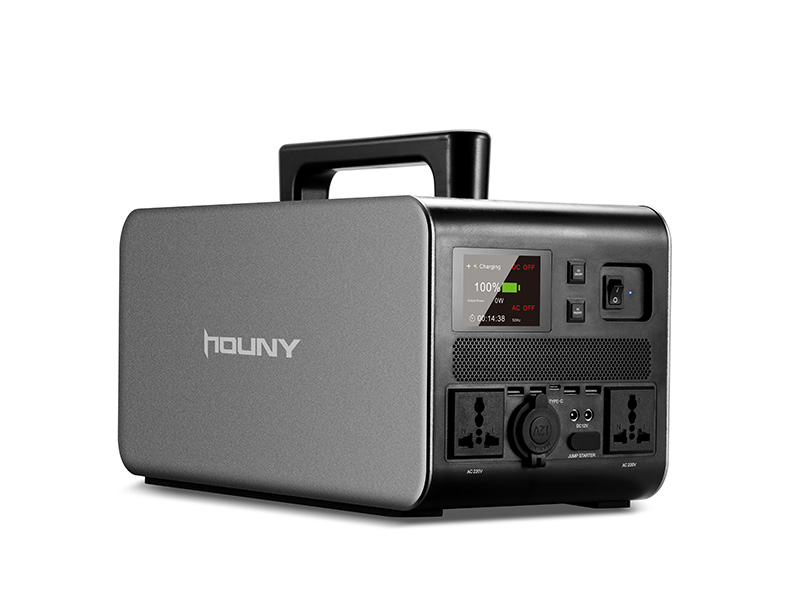
Which power station is better LiFePO4 or lithium ion?

When it comes to power stations, lithium-based batteries are widely used due to their high energy density and long cycle life. However, there are different types of lithium-based batteries available in the market, and two of the most popular ones are LiFePO4 and lithium-ion (Li-ion) batteries. In this response, we will explore the characteristics of each battery and compare them to determine which one is better for a power station application.

LiFePO4 power stations are a type of lithium-based battery that has a cathode made of iron phosphate. These batteries are known for their high cycle life, excellent thermal stability, and high discharge rates. They are also safer compared to other lithium-based batteries because they are less prone to thermal runaway or explosion. Due to these characteristics, LiFePO4 batteries are commonly used in applications that require high-power output and long cycle life, such as electric vehicles, solar energy storage, and off-grid power systems.


On the other hand, lithium-ion batteries are a more generic term that encompasses a wide range of lithium-based batteries with different chemistries, including cobalt oxide, nickel manganese cobalt oxide, and lithium iron phosphate. These batteries are known for their high energy density, which means they can store more energy in a smaller package compared to other types of batteries. They also have a low self-discharge rate, which means they can hold their charge for a longer time.


When comparing LiFePO4 and Li-ion batteries for power station applications, several factors need to be considered, including cost, energy density, cycle life, safety, and environmental impact.


Cost: LiFePO4 batteries are generally more expensive compared to Li-ion batteries. This is because LiFePO4 batteries require more raw materials and a more complicated manufacturing process.

Energy Density: Li-ion batteries have a higher energy density compared to LiFePO4 batteries, which means they can store more energy in a smaller package. This makes Li-ion batteries ideal for applications where space is limited.

Cycle Life: LiFePO4 batteries have a longer cycle life compared to Li-ion batteries. This means that they can be charged and discharged more times before they degrade, making them more suitable for applications that require frequent charging and discharging.

Safety: LiFePO4 batteries are considered safer compared to other types of lithium-based batteries, including Li-ion batteries. This is because they are less prone to thermal runaway and explosion. This makes LiFePO4 batteries more suitable for applications where safety is a critical concern.

Environmental Impact: Both LiFePO4 and Li-ion batteries have a low environmental impact compared to other types of batteries, such as lead-acid batteries. However, LiFePO4 batteries are considered more environmentally friendly compared to Li-ion batteries because they are made of non-toxic and non-hazardous materials.


In conclusion, LiFePO4 and Li-ion batteries have different characteristics that make them suitable for different power station applications. LiFePO4 batteries are more suitable for applications that require high-power output, long cycle life, and safety, while Li-ion batteries are more suitable for applications that require high energy density and space-saving. Ultimately, the choice between LiFePO4 and Li-ion batteries depends on the specific requirements of the power station application and the trade-offs between cost, performance, and environmental impact.

21700 LiFePO4 Battery Cells: Complete Guide for Industrial Applications

  21700 LiFePO4 battery cells are rapidly gaining popularity in industrial and commercial applications due to their high energy density, ex...